Disclaimer: We are serious about content integrity and staying true to our readers. Thus, you can be assured that any article you read across our website is free of bias and is not produced by AI-platforms. Read about our editorial policies.
A cluster of pine trees cast a shadow overhead, as I navigated the topsy-turvy Himalayan roads leading to the sleepy market of Jibhi. My first impression? This tourist village flows like a poem in motion.
While walking past the momo-selling tea houses and a plethora of cafes in between, I came across two sets of people — Himachali-topi-clad men, flashing the kind of grin that comes straight from the heart, and Himachali women nodding away, as if to say, “You’re welcome to our corner of the world.”
Jibhi, located at an altitude of 7,356 feet above sea level, is an amalgamation of sweeping views of the Tirthan valley and its serene namesake river flowing quietly through the middle of the village. Once a reclusive little Himalayan hamlet, Jibhi is now a hot-shot destination-favorite for a lot of solitude seekers (thanks to social media).
Here’s how I explored Jibhi (and its neighboring locales) in three days straight. You can too, by simply following my itinerary.
Contents
7 Must-See Places In And Around Jibhi & How To Plan These Visits
1. A day trip to Shringa Rishi Temple and Chehni Kothi
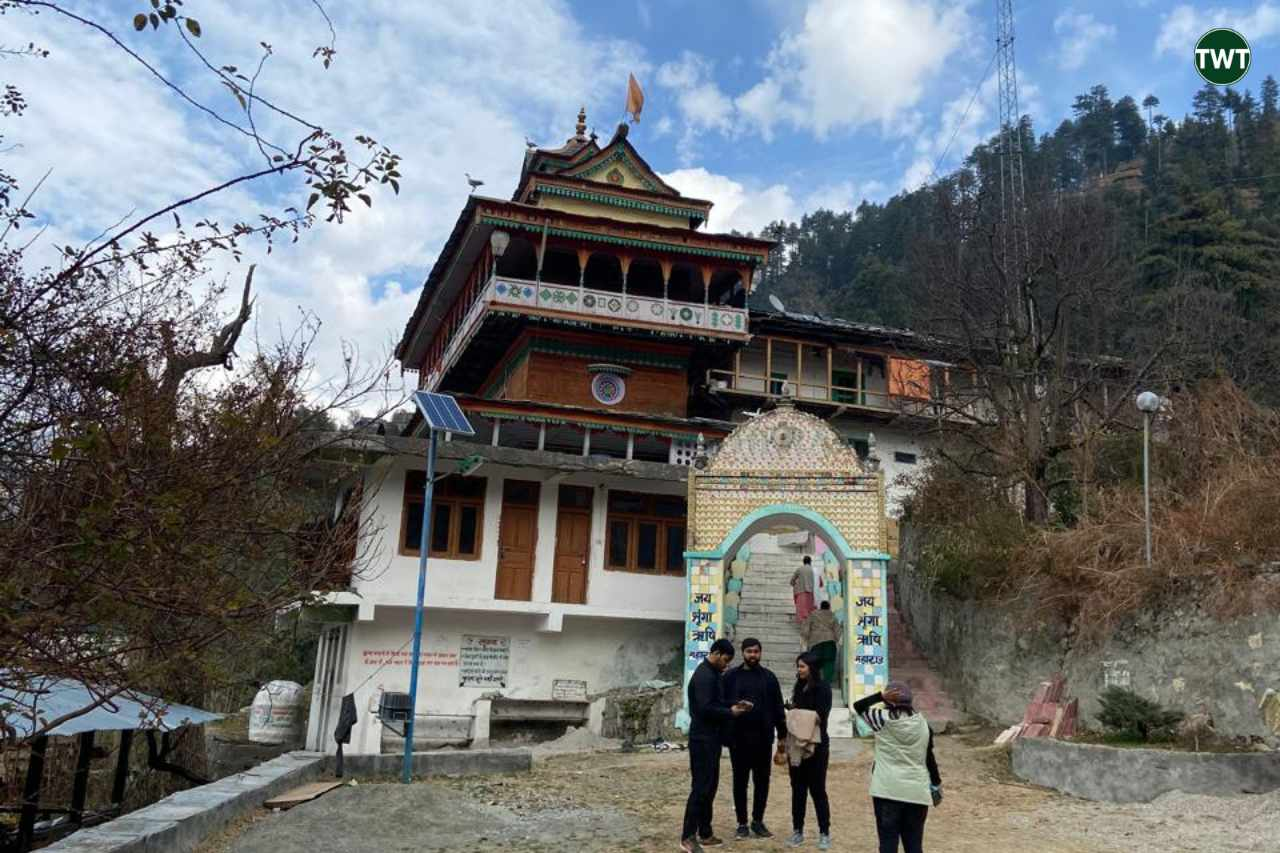
This was the quiet, soul-stirring part of my Jibhi trip. I devoted half a day to visiting the local and much-revered deity, Shringa Rishi’s temple.
I set out expecting a simple hike and sightseeing excursion, but the journey turned into something far more personal — a slow walk through ancient architecture, local legends, pinecone-scented air, and that rare silence you only find in the mountains.
Only a kilometer away from this temple lies another cultural milestone of Jibhi — the historical Chehni Kothi, located in the picturesque village of Chehni. Built anywhere between 200 and 1500 years ago, Chehni Kothi was initially built as a temple complex, and the tall all-wood structure was designed in the traditional Kath Kuni style.
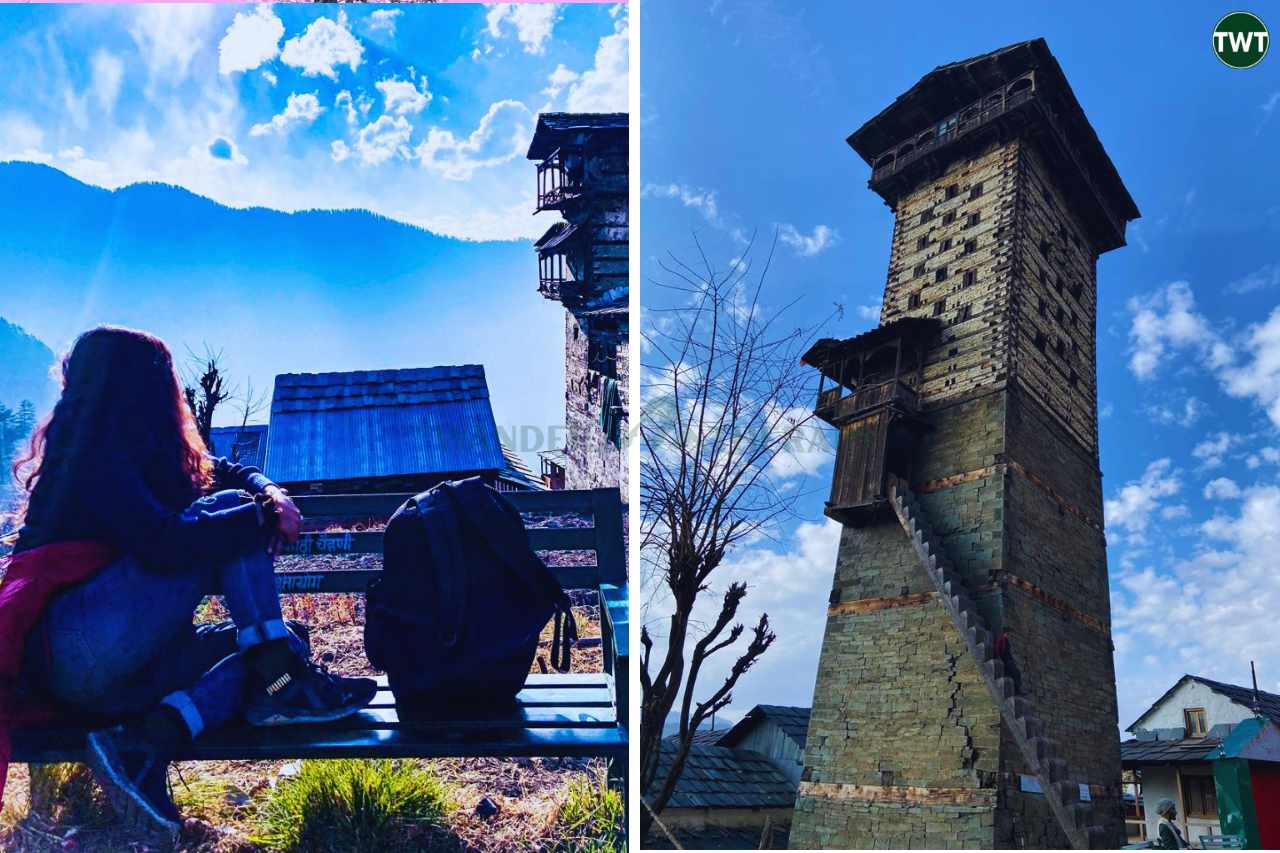
From the wooden carvings of the ancestral temple to the towering stone-and-timber fortress of Chehni Kothi, the day became a reminder of why I travel — to pause, breathe, and rediscover myself between old stories and new and often unknown paths.
Both Shringa Rishi Temple and Chehni Kothi were two of the most serene, lesser-known gems tucked away in Himachal that I was very lucky to see for myself… Thanks to the locals.
Entry fee: Free, but start your day early and leave before sunset.
Location: Google Maps
2. Devote the next day to explore Jibhi Waterfalls, local momo shops, and the market
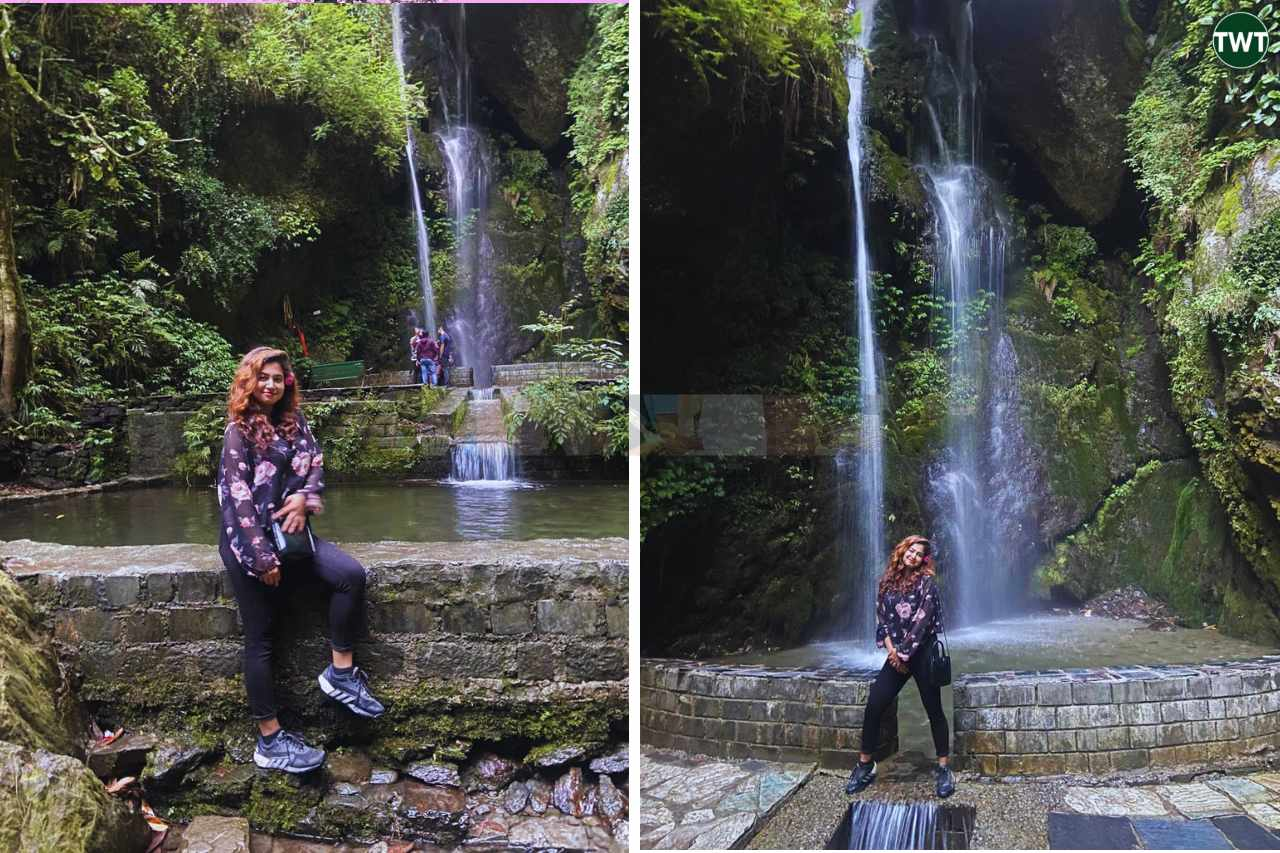
The next day, I decided to take things slow and wandered through Jibhi the way it’s meant to be experienced: on foot, treating it like a lazy day without a plan.
I spent my morning at the Jibhi Waterfalls, which is filled with cutesy bridges leading up to the main attraction of the place, the waterfall itself. Honestly, the mist in the air and the quiet forest trails reset my mind.
After spending a significant amount of time admiring the calmness of the waterfall — coupled with the many Himalayan Magpies I encountered along the way — I stopped by a tiny momo shop.
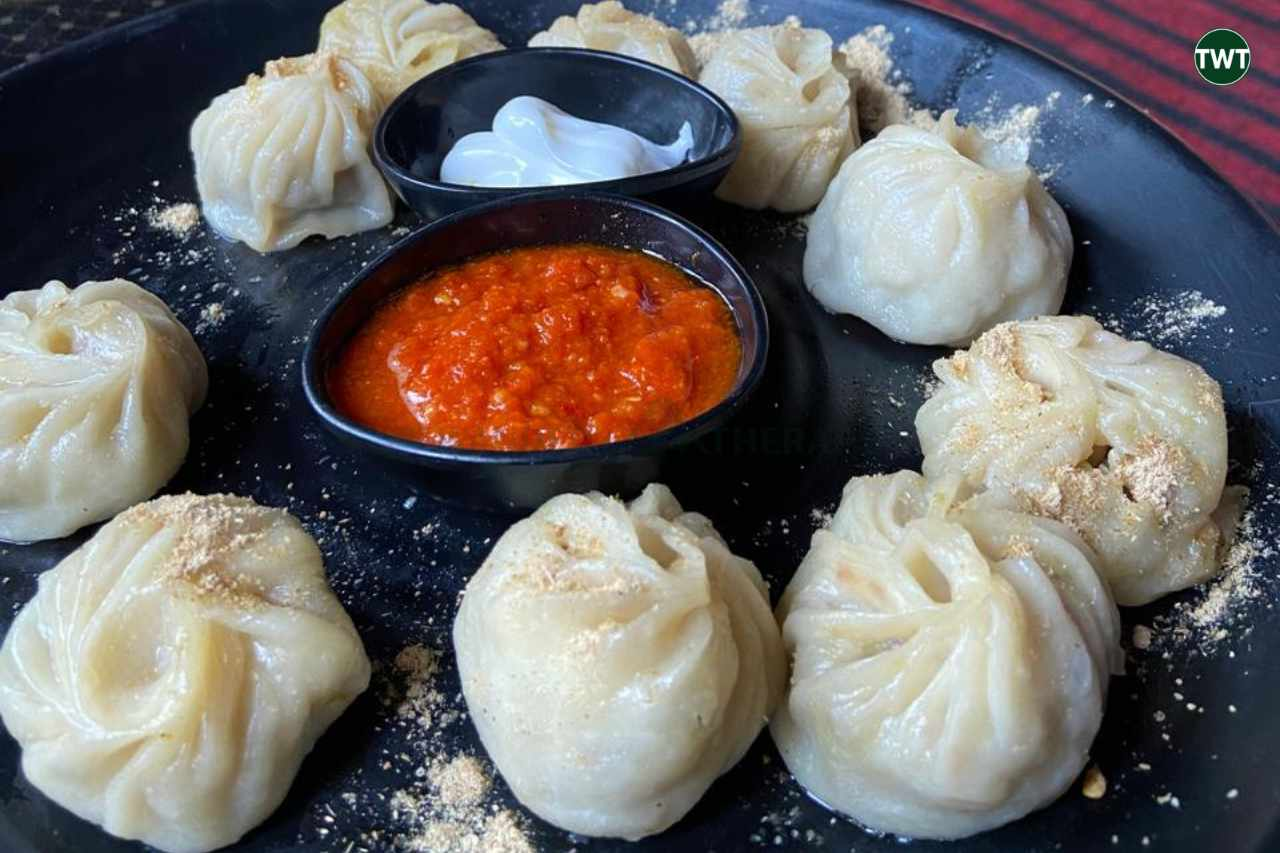
These tea-house-esque momo shops, which are run by locals, serve the tastiest momos I have eaten in a long time. The chutney hits harder than the cold and fills you with an odd kind of warmth (if you know, you know).
I ended my day at the Jibhi market, picking up local Kulluvi shawls, handmade zorabs (Himachali socks), fridge magnets, and a few other souvenirs to bring back home.
As the day drew to a close, I sat at the verandah of my stay and sipped on a cup of hot chocolate. These moments might feel mundane to a bystander, but they stayed with me long after I had left.
Entry fee to Jibhi Waterfalls: 20 rupees per person.
Location: Google Maps
3. A trip to Jalori Pass, comprising 360 Viewpoint, Serloskar Lake, and Raghupur Fort
Hands down, the highlight of my Jibhi trip!
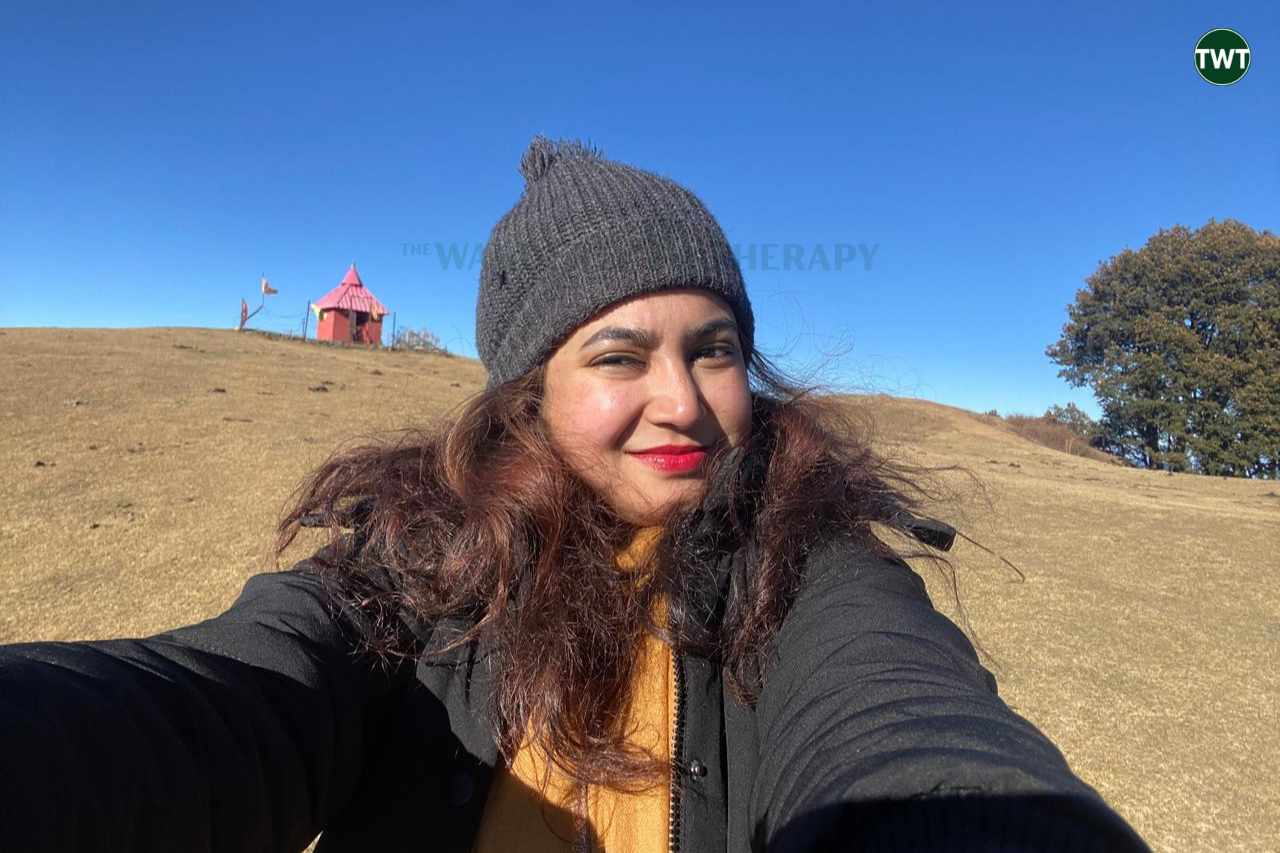
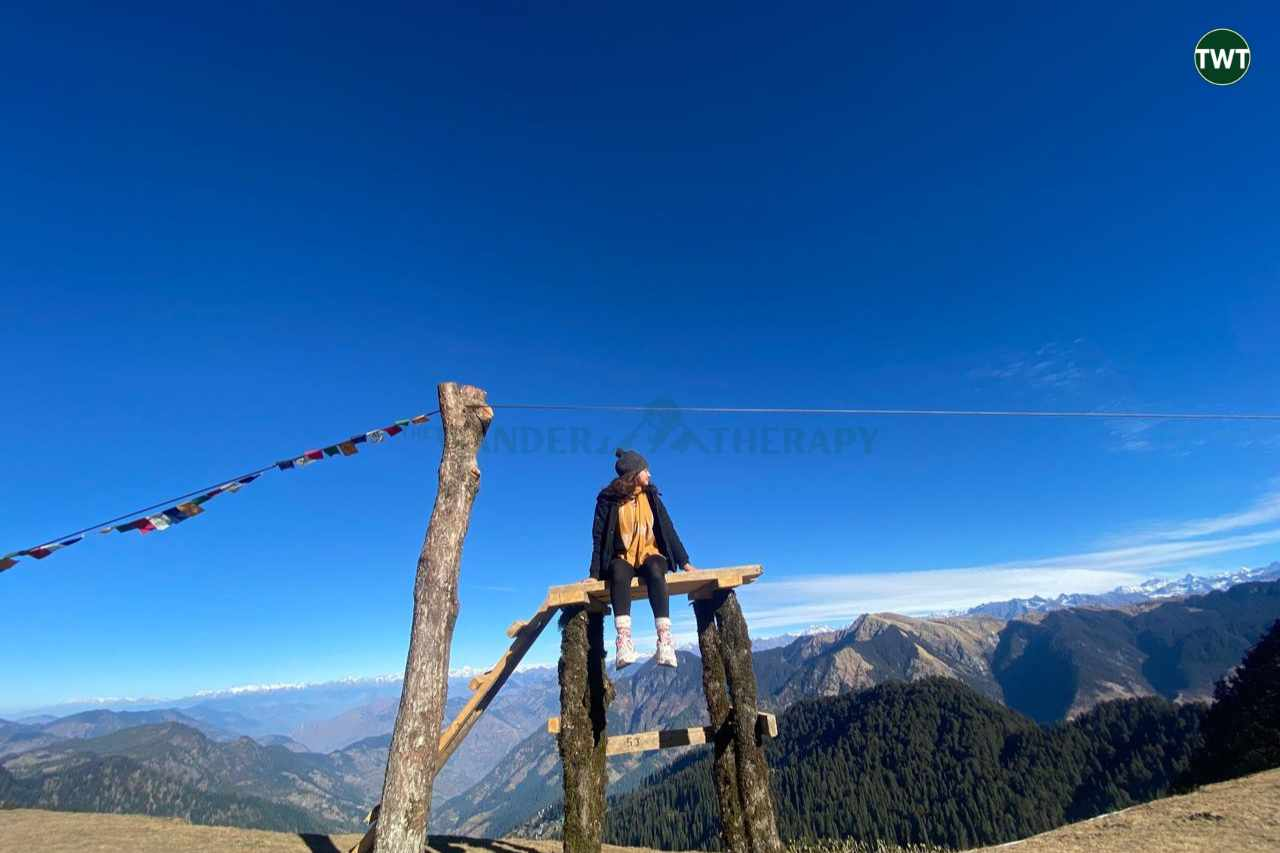
The journey began at the junction of Jalori Pass, near its parking lot, and the first destination I travelled to was 360 Viewpoint, a windswept ridge surrounded by rolling hills and pines. If it sounds familiar, it’s because parts of Yeh Jawaani Hai Deewani — including the trekking scenes and the Bhairav mandir sequence — were shot there.
Even without the Bollywood connection, the spot spelled magic on me: endless snow-capped mountains stacked in blue layers, and, as the biting cold wind brushed against my face, I, somehow, fell in love with myself.
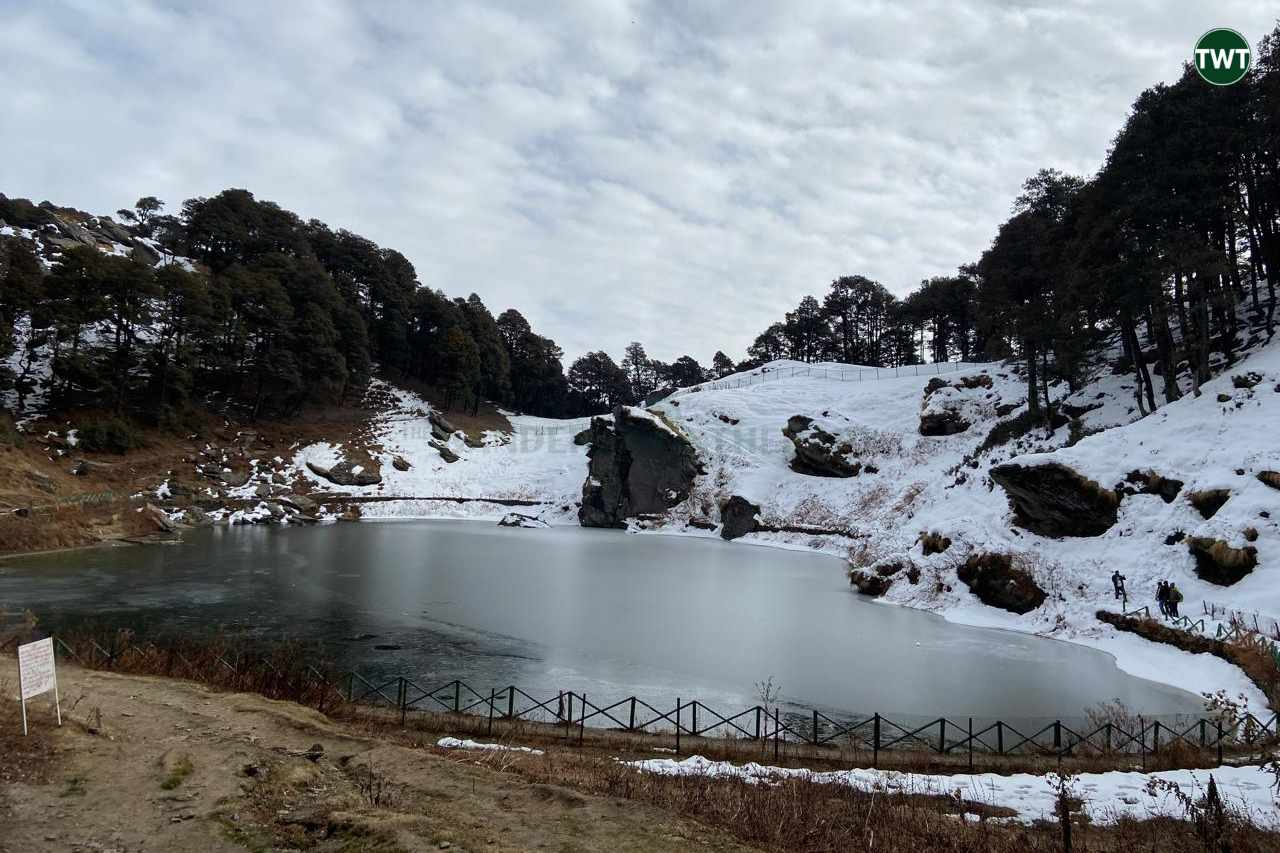
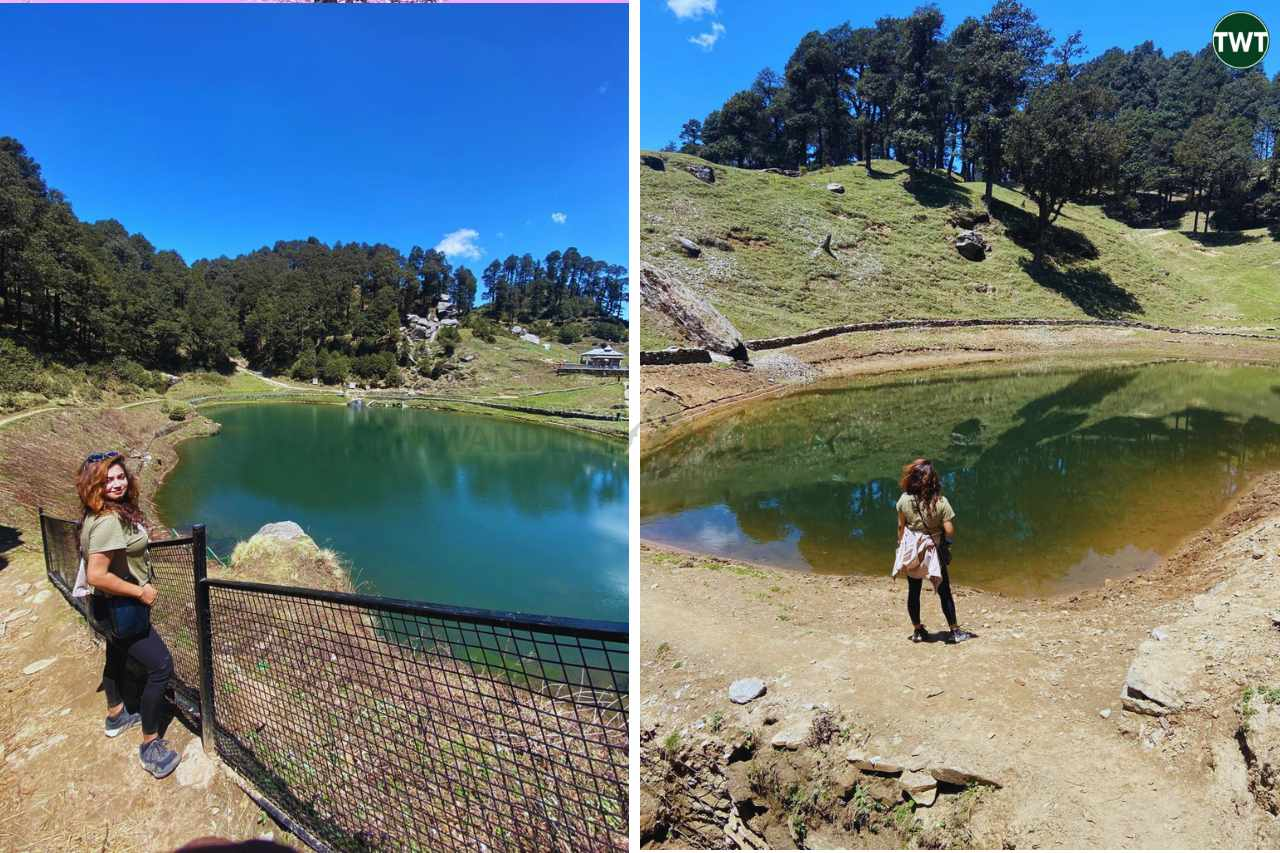
But Serolsar Lake has the biggest chunk of my heart.
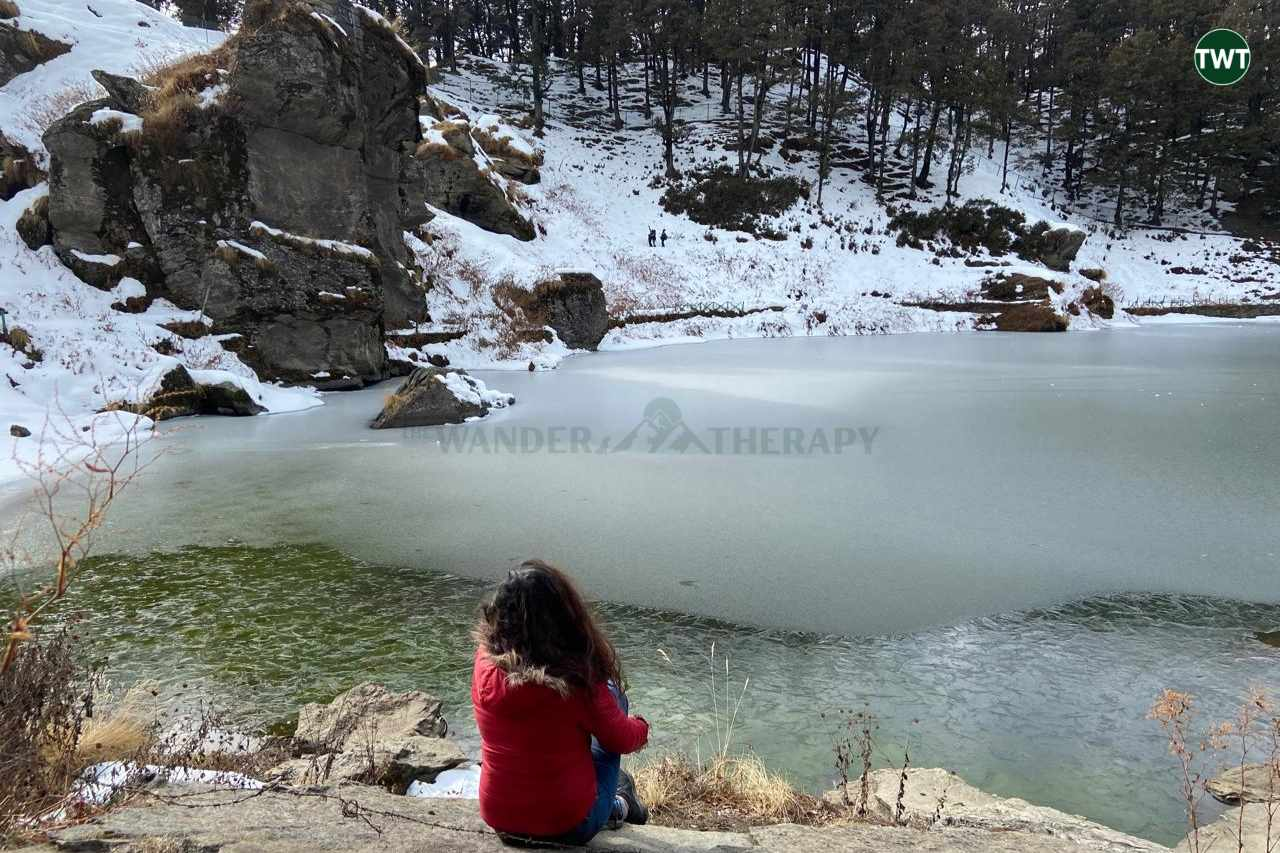
The first time I trekked there, years ago, I reached the foot of the lake and was dumbfounded by what I saw. The entire lake was frozen solid, shimmering in white, and my mind was officially blown. I wasn’t prepared for how surreal it would look: like a melancholic dream straight out of an O.Henry poem, tucked between cedar forests.
Every visit after that — whether the lake was glassy green in summer or dusted with frost in winter — has only deepened my affection for the place.
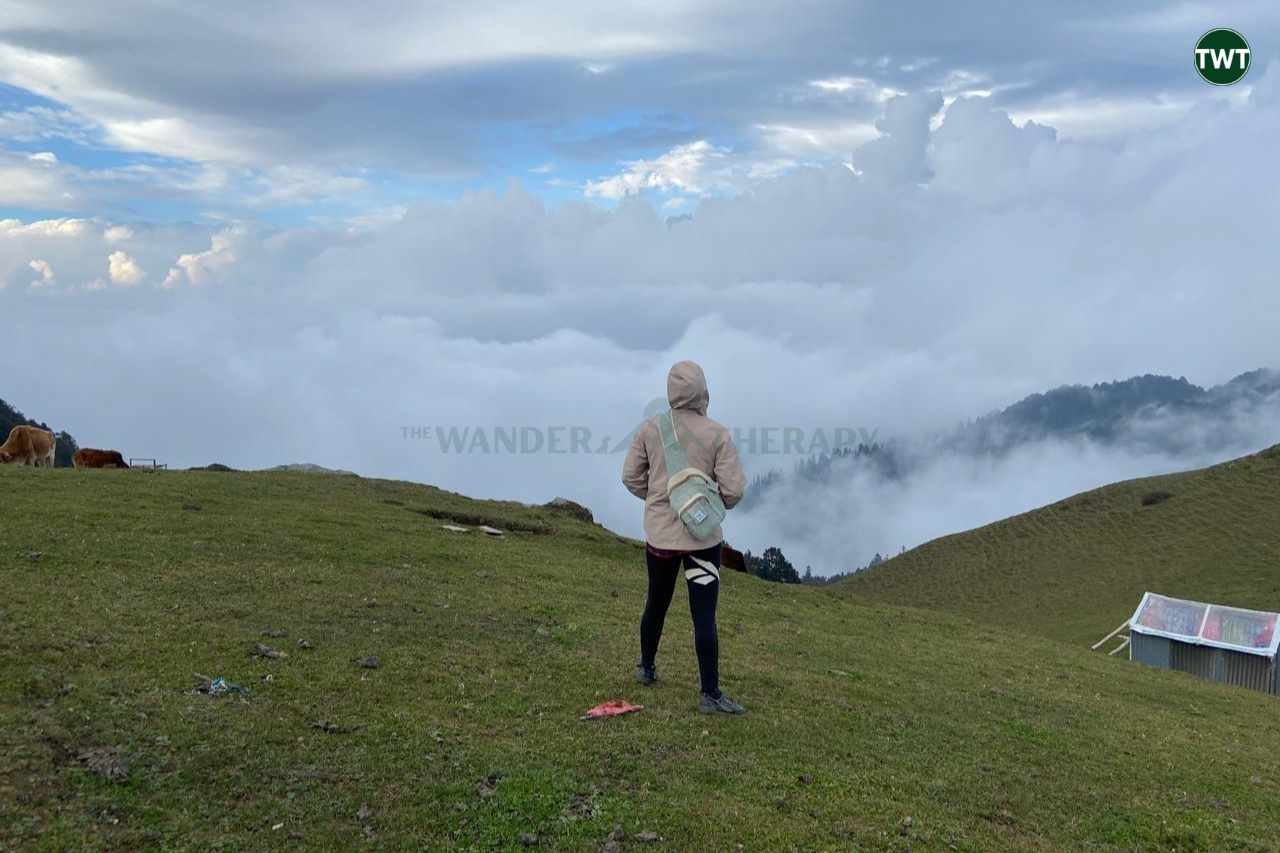
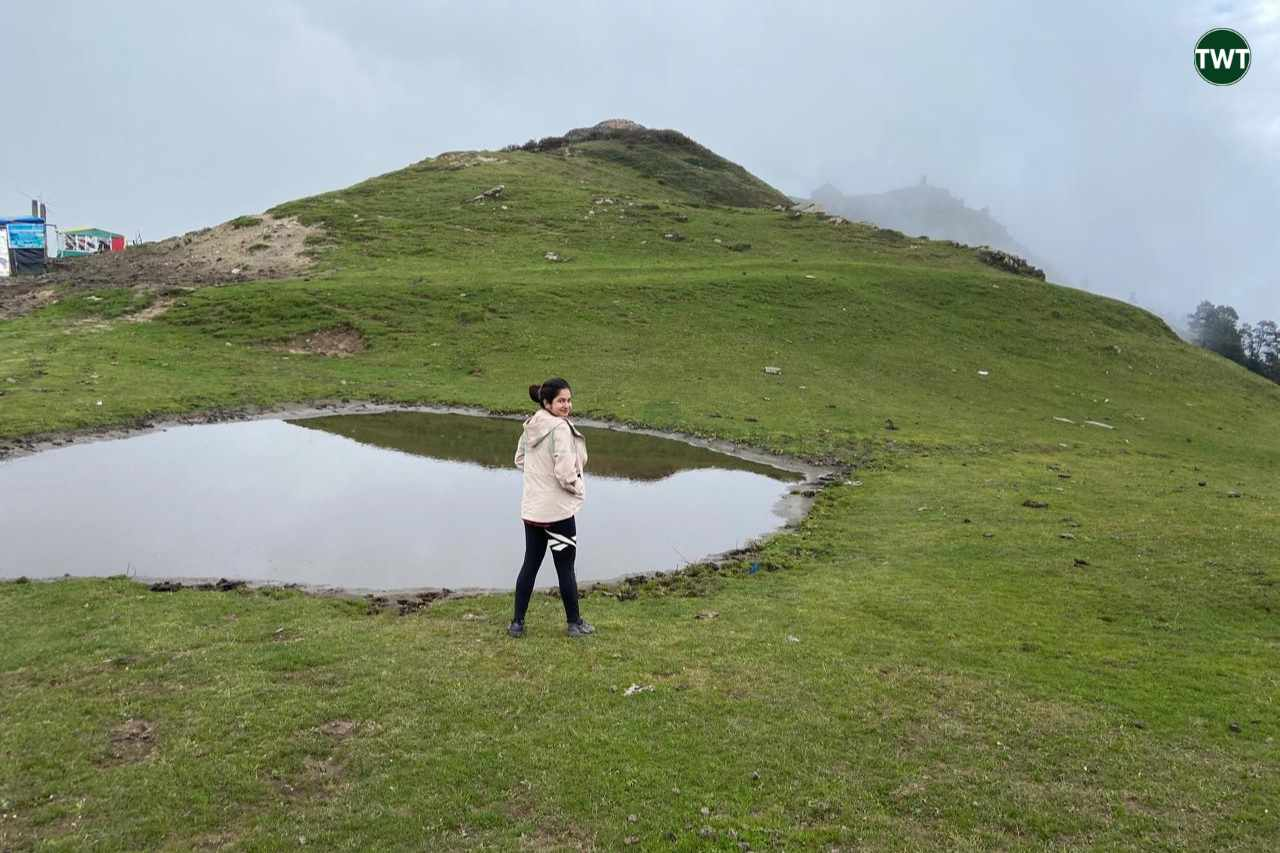
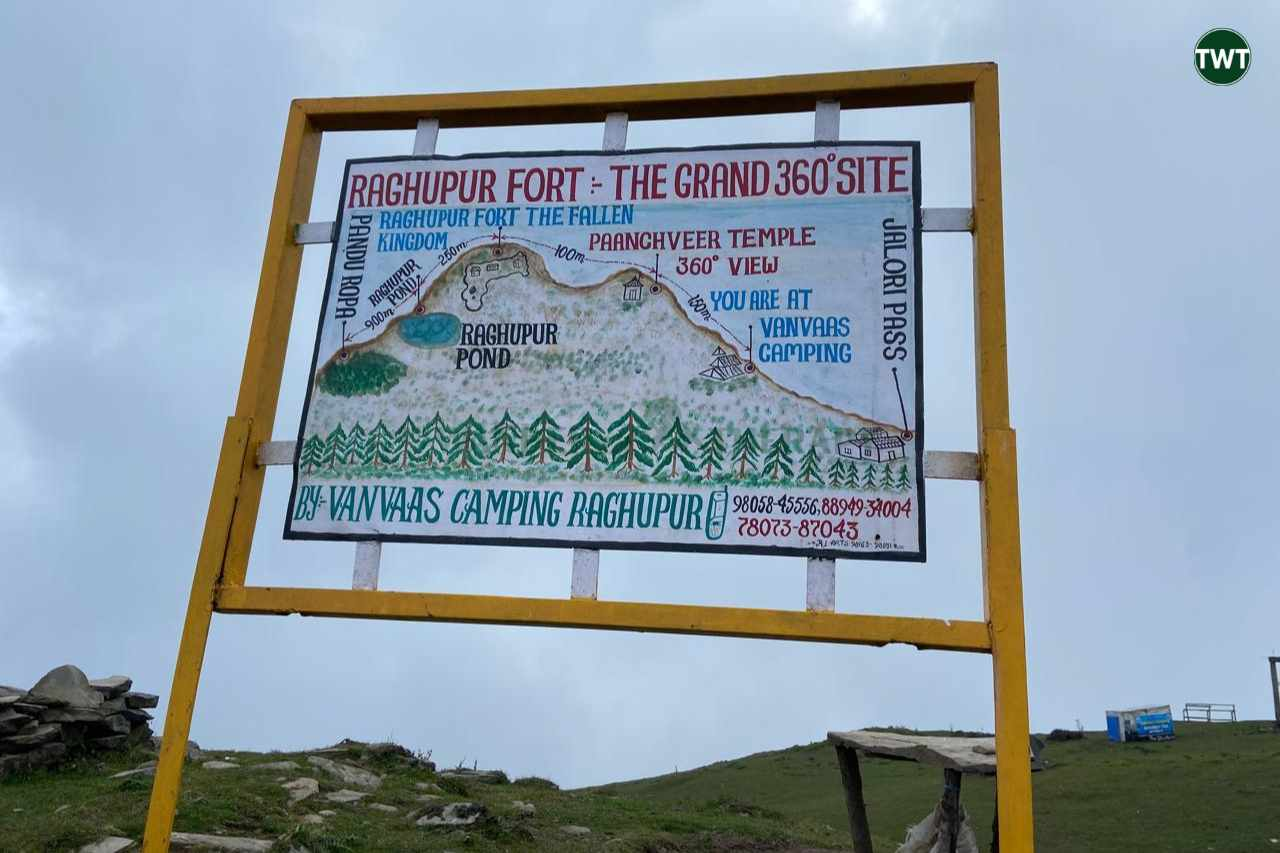
From the opposite end of Jalori Pass starts the trail to Raghupur Fort. The first time I visited, I could barely see a thing. Mist wrapped itself around the meadows like a stubborn cloak, and I kept wondering, “Where is the fort everyone talks about?” Then, suddenly, the clouds drifted apart, and there it was: an expansive stone structure, pretty yet in ruins, standing quietly on a vast meadow. It wasn’t grand, but it felt ancient and dignified, as if it had been watching over the valley and its people for centuries.
Raghupur Fort may not look like much at first glance, but the journey to get there — the shifting clouds, the wildflowers, the wide open meadows — makes it unforgettable.
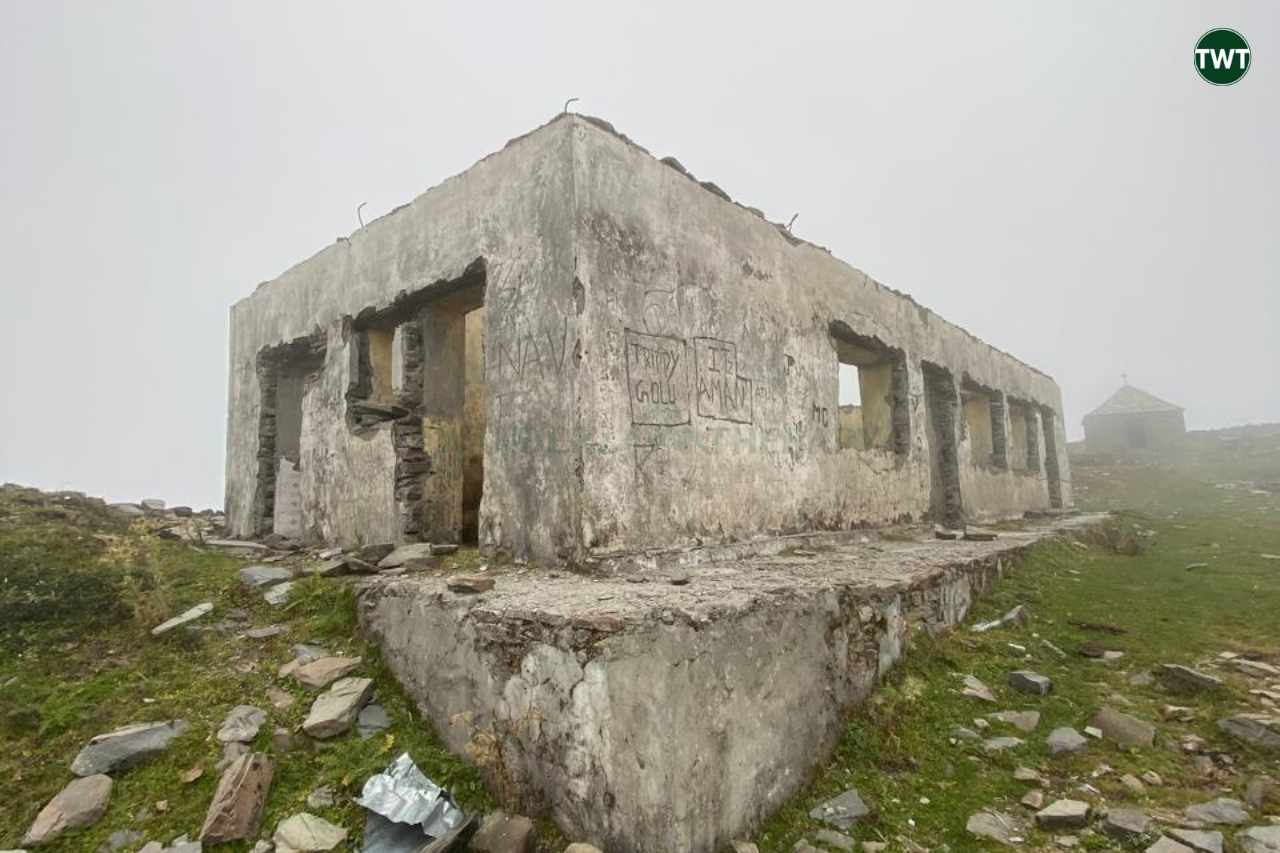
I’ve now travelled to 360 Viewpoint, Serolsar Lake, and Raghupur Fort a total of five times, and somehow, each visit feels like the first.
Entry fee: Free for all three locations, but you have to start really early in the morning to cover all of them in one day.
Location: Google Maps
TWT tip: If you want to experience mountain life in its entirety, stay the night at one of the camps near Raghupur Fort for a humble 1000 rupees per person (dinner and next-day breakfast included).
4. Kulhi Katandi or Mini Thailand
I’ll be honest, I first went to Kulhi Katandi purely because of its name. With a name like that, how could I not be curious? And the title ‘Mini Thailand’, as locals call it, sounded even more intriguing.
The reality, though, is a mix of charm and exaggeration. While the place doesn’t exactly resemble Thailand, it does offer a lovely, quiet riverside patch, with a (triangle) rock formation. You can sit for hours with your feet in the cold water, watching the stream move around the rock. It’s peaceful in a simple, unpretentious way, but nothing extraordinary that you cannot find in other parts of Jibhi (minus that rock, of course).
Entry fee: Free, but it is advised you go early and leave before sundown.
Location: Google Maps
4 Must-Try Veg Food Items In Jibhi
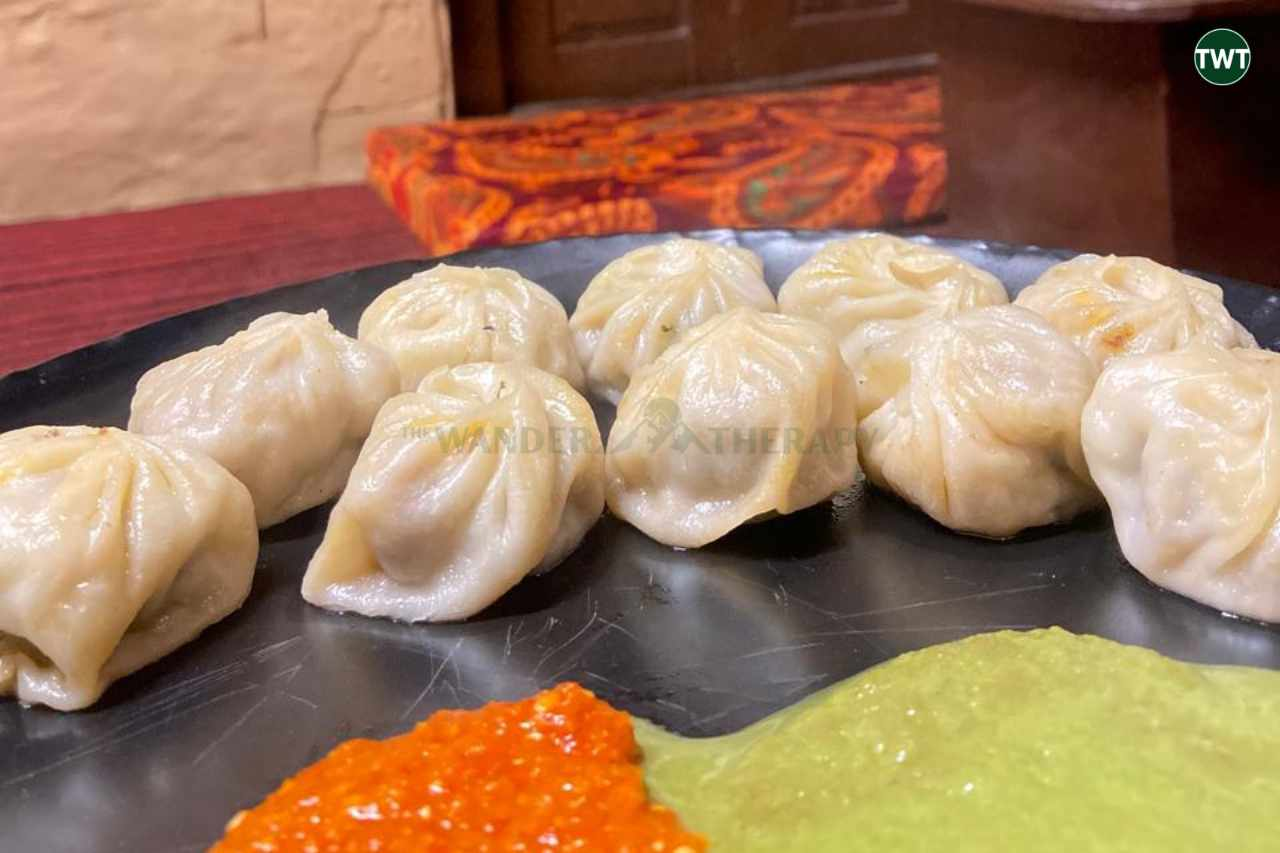
1. Vegetable Momos: I cannot stress enough just how delicious the momos are in Jibhi. Sure, you can try them out at various cafes and hotels in and around the village, but I personally like the momos served at local stalls, especially the ones located near the Jibhi bridge.
TWT Tip: The chutney is typically fiery, and you must take only a tiny bit at a time if you do not want to down glasses of water later, walk around with a red nose, or gasp for breath.
2. Vegetable Thukpa: That perfect broth slow-cooked in a desi oven is pure magic.
Comprising freshly plucked vegetables — carrots, cabbage, and beans, among others — blended with noodles, and served steaming hot… I mean, what’s not to love? Again, try out the local stalls for the best experience, and go hungry if you can, because the quantity is a lot.
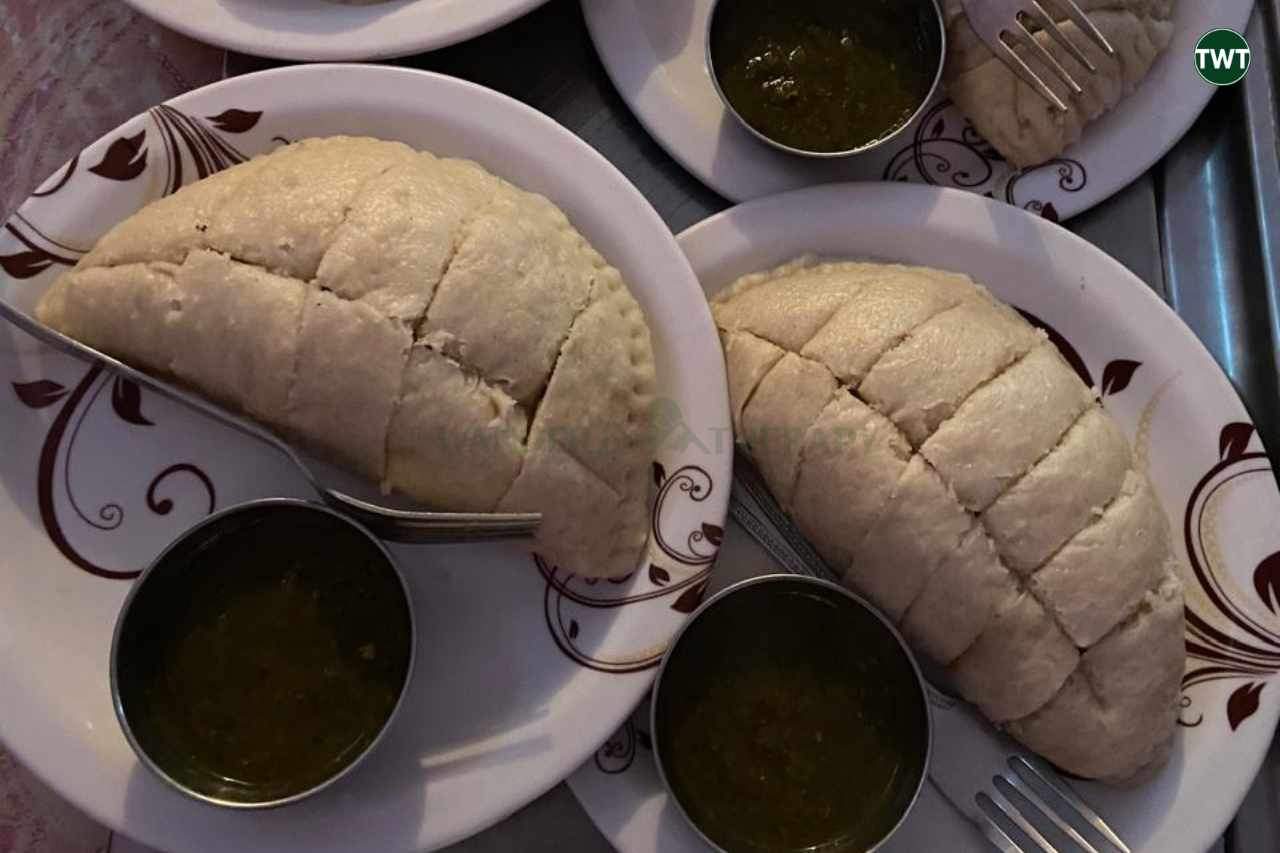
3. Siddu: This Himachali dish is made out of a vegetable concoction, which is then stuffed inside a thick wheat bread. The filling is the real hero of this dish—often consisting of apricot, nuts, lentils, and potatoes.
You can find it in almost every cafe and eatery you visit, but, based on my personal experience, the dingy food joints (called dhabas among locals) serve them the best.
4. Rajmaash: This dish is another name for Rajmah Chawal. In Himachal Pradesh, this hearty North Indian food comes in its simplest form, sans any spicy masala. Only a tinge of salt, turmeric powder, and a little bit of cumin powder, some boiled beans, and there you have it… Rajmah Chawal, the pahadi style.
How To Reach Jibhi?
For budget travellers: The easiest way to reach Jibhi, without breaking the bank, is to take a bus from Delhi to Aut Tunnel in Himachal Pradesh. From there, take a bus to Banjar Bus Depot and then take another bus to Jibhi.
It can be a tad time-consuming since the frequency of buses in Himachal Pradesh is low, but you will save a ton of money.
For premium travellers: Anyone who can afford to spend just a little extra money and save some time along the way should take a bus to Aut Tunnel and then hire a cab to Jibhi. The price will be anywhere between 2000 to 2500 (depending on season and the location of your accommodation in Jibhi).
For luxury travellers: The fastest way to get to Jibhi, if you have the funds to spend, is to fly directly to Bhuntar Airport in Himachal Pradesh. Then, take a cab to Jibhi, which is around two-and-a-half hours away (56 kms approx.)
TWT Summary
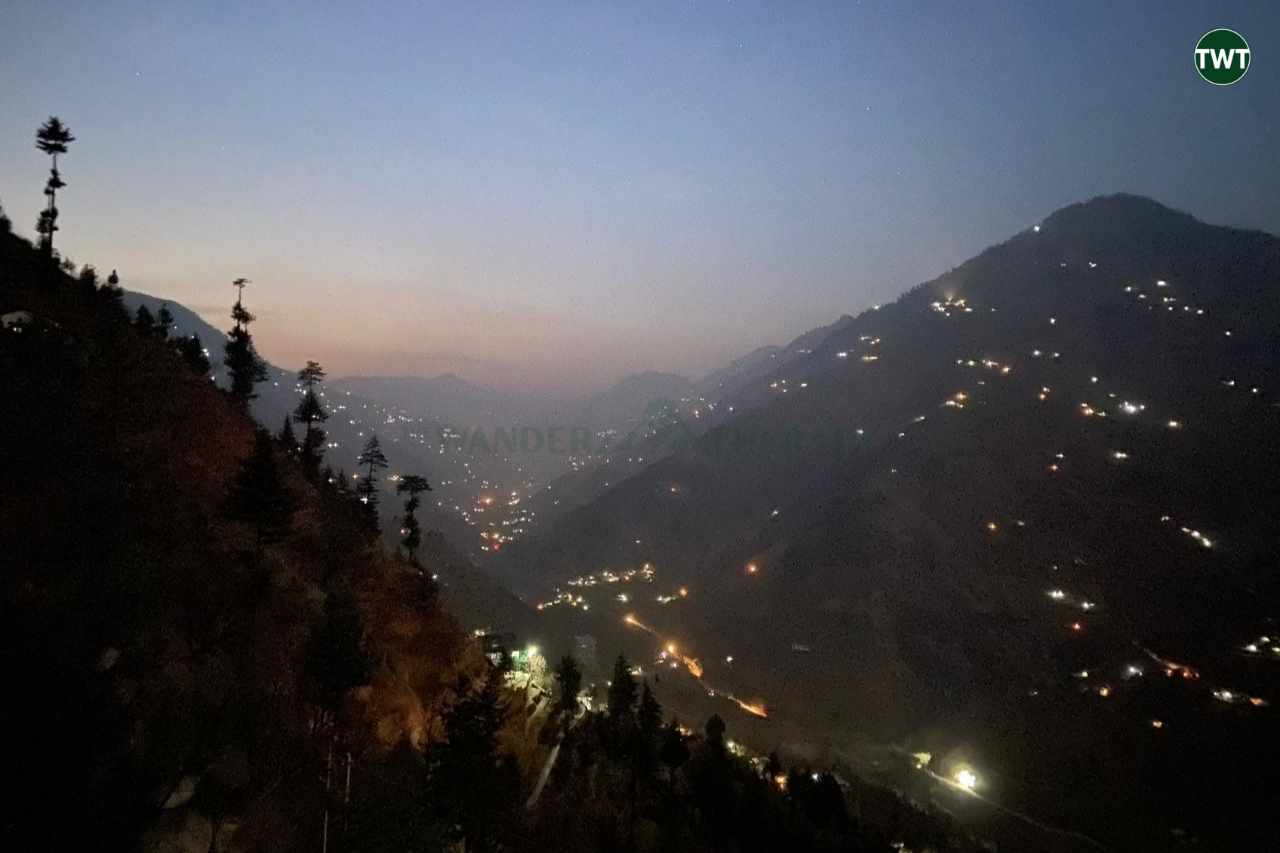
As I wrap up this piece, I am transported back to a time when I was sitting at an eatery in Jibhi, munching on a big batch of noodles, looking out the window and contemplating life. It looked beautiful.
In Jibhi, suddenly you love life a tad bit more, and, by extension, yourself.
Whatever answers you’re looking for inwardly, trust me, Jibhi will nudge you closer to them.
Frequently Asked Questions About Jibhi Trip
1. What should I carry for my trip to Jibhi?
Jibhi can be cold and chilly even in summer, especially after sundown. If you are travelling between May and July, I recommend carrying three to four pairs of socks, an umbrella (since the weather is unpredictable), one beanie, one thick scarf, a set of thermals, one solid down jacket, and a pair of sturdy shoes.
During winter, three jackets for layering are a must, along with multiple sets of gloves, thermals, a bag full of socks and of course, sturdy shoes.
2. Is Jibhi safe?
Jibhi is one of the safest places in India, and I am saying this as a solo female traveller. The people there are nice, friendly, and most importantly, helpful by nature.
3. Is Jibhi expensive?
It can be, if you do not know where to stop. For instance, travelling by cabs and eating out at cafes three times a day can be expensive, but if you eat at the local dhabas and travel by local buses, you can save a lot of money.
4. Is Jibhi worth visiting?
Yes, Jibhi is worth visiting for anyone looking for some peace and tranquility, along with a lesson in humility, and a dash of history and culture.
5. What is the best time to visit Jibhi?
May to July, and December to February are the best times to visit Jibhi.
6. What are the 5 best stay options in Jibhi?
The Hosteller Jibhi, Whoopers Hostel Jibhi, The Hidden Burrow by Whoopers, Alpine Stays Riverside, Jibhi Village
7. What are the 3 best cafes and eateries in Jibhi?
Reverberate Cafe (Formerly known as Negi’s Place), The Enzo’s Coffeehouse & Bistro Cafe, The Pink Panther Jibhi